
From Concept to Container: A B2B Guide to Efficient Product Development in China
For procurement managers, brand managers, and business owners, the journey from a nascent product idea to a fully realized, container-shipped item from China can seem daunting. However, with the right strategy, a reliable partner, and a clear understanding of the process, it's an incredibly efficient and cost-effective pathway to market. This guide will walk you through the essential steps for efficient product development in China, ensuring your concept successfully makes it to the container.
The Strategic Advantage of Sourcing in China
China has long been the global manufacturing powerhouse, offering unparalleled advantages for B2B product development. These include access to a vast network of specialized manufacturers, competitive pricing, advanced production technologies, and a robust supply chain infrastructure. However, realizing these benefits requires navigating potential pitfalls such as communication barriers, quality control issues, and intellectual property concerns. This is where a seasoned partner like ExploreCN becomes invaluable.
Phase 1: Product Discovery and Feasibility – Laying the Groundwork
The initial phase is critical for defining your product and assessing its viability. This isn't just about having an idea; it's about refining it into a manufacturable concept.
1.1 Defining Your Vision and Requirements
Before engaging with any manufacturer, clearly articulate your product vision. What problem does it solve? Who is the target audience? What are its core features and functionalities? This includes technical specifications, material preferences, desired aesthetics, and any compliance requirements (e.g., eco-certified materials for promotional units). For example, if you're developing custom drinkware, you'd specify whether you need insulated double-wall tumblers, eco-friendly ceramic mugs, or specialized vacuum-insulated bottles, along with customization details like laser engraving or custom glaze.
1.2 Product Discovery and Material Selection Assistance
Not every concept arrives fully formed. A good sourcing partner will assist in this discovery phase. As ExploreCN's process outlines, if you're "not sure exactly what product you need," they help "identify suitable products, materials, and customization options." This could involve describing your idea, uploading a reference image, or sharing a product link to kickstart the process.
1.3 Manufacturing Feasibility and Cost Analysis
Once the concept is clearer, the next step is to understand its manufacturing feasibility. This involves assessing what can be customized, estimating production timelines, and, crucially, conducting a target price feasibility analysis. This early financial assessment helps determine if your product can be produced within your budget while maintaining desired quality and features. This step is vital to avoid costly redesigns later.
Phase 2: Sourcing and Supplier Vetting – The Foundation of Quality
With a clear product definition, the focus shifts to finding the right manufacturing partner. This is arguably the most critical phase, as the quality of your product hinges on the capabilities and reliability of your supplier.
2.1 Strategic Supplier Matching
Leveraging an extensive network of verified manufacturers is key. ExploreCN, for instance, boasts a "2,500+ verified manufacturer network" and uses "database and on-site experts [to] match clients with verified Tier-1 manufacturers." This ensures you're connected with factories specializing in your product category, whether it's drinkware, packaging, tech accessories, or lifestyle products.
2.2 Rigorous Supplier Auditing and Vetting
Don't underestimate the importance of due diligence. "Strict supplier auditing with factory background checks" is non-negotiable. This goes beyond a simple factory tour; it involves assessing production capabilities, quality control systems, ethical labor practices, and financial stability. A reputable partner ensures that the factories meet international standards and your specific compliance needs.
2.3 Aligning on Goals, Budgets, and Compliance
Before production begins, there must be a complete alignment on specific goals, budgets, and compliance requirements. This includes agreeing on material specifications, production schedules, quality benchmarks, and any certifications needed for your target market. This proactive approach minimizes misunderstandings and costly delays down the line.
Phase 3: Build – Production, Quality Control, and Iteration
This phase is where your concept truly comes to life. It's a dynamic period involving production, continuous quality monitoring, and potentially iterative adjustments.
3.1 Prototyping and Sampling
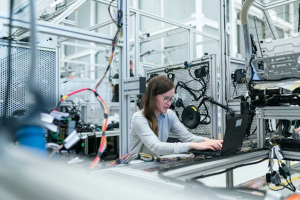
Before mass production, prototypes and samples are essential. This allows you to physically evaluate the product, test its functionality, and make any necessary design or material adjustments. This iterative process ensures the final product meets your expectations and specifications. It's an opportunity to catch errors early, saving significant time and money.
3.2 Production Management and Quality Assurance
Effective production management involves overseeing the manufacturing process from start to finish. This includes regular factory visits, production schedule monitoring, and, most importantly, robust quality control (QC). QC isn't just a final inspection; it should be integrated throughout the production cycle, from raw material inspection to in-process checks and pre-shipment inspections. A partner like ExploreCN ensures "100% digitalized project management" for transparency and efficient oversight.
3.3 Navigating Customization and Scale
Whether you're looking for "premium gifts for clients and partners," "trade show giveaways," or "OEM/ODM" projects, the ability to customize and scale production is paramount. A good partner can handle projects ranging from "1,000–50,000 units" for promotional programs, ensuring consistency and quality across all volumes.
Phase 4: Deliver – Logistics and Post-Production Support
The final phase focuses on getting your product from the factory floor to your desired destination, efficiently and without complications.
4.1 Logistics and Shipping Management
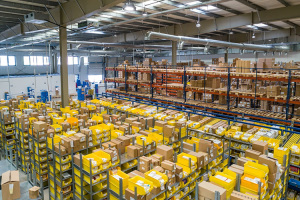
Managing international logistics can be complex, involving customs clearance, freight forwarding, and warehousing. A comprehensive sourcing partner handles these intricacies, ensuring smooth and timely delivery. They will coordinate shipping methods, optimize routes, and manage all necessary documentation.
4.2 Post-Delivery Support and Feedback Loop
The relationship doesn't end once the container arrives. Post-delivery support, including addressing any unforeseen issues and gathering feedback, is crucial for continuous improvement and future projects. This establishes a long-term, trust-based partnership.
Why Partner with an Expert Like ExploreCN?
Engaging a specialized B2B sourcing and development partner like ExploreCN offers significant advantages:
- Experience and Network: "20+ years of grounded B2B sourcing experience" and a "2,500+ verified manufacturer network" translate into unparalleled access and expertise.
- Streamlined Process: A "Proven Execution Framework: Source → Build → Deliver" ensures a structured and efficient journey.
- Risk Mitigation: Expert vetting, quality control, and compliance management significantly reduce risks associated with international sourcing.
- Cost Efficiency: Leveraging established relationships and negotiation power can lead to substantial savings, as seen in a case where "10,000+ eco-certified promotional units, saving 22% against original budget."
- Communication and Transparency: "ExploreCN eliminates communication barriers" and provides "100% digitalized project management," ensuring you're always informed.
Conclusion
Transforming a product concept into a container-ready reality from China requires a strategic, phased approach. By focusing on meticulous product discovery, rigorous supplier vetting, diligent production management, and seamless logistics, businesses can unlock the immense potential of Chinese manufacturing. Partnering with an experienced firm like ExploreCN provides the expertise, network, and structured framework necessary to navigate this journey efficiently, ensuring your product not only meets but exceeds expectations, from concept to container.


 English