Navigating the world of product customization can be complex, especially when it comes to applying your brand's logo. For B2B buyers sourcing custom branded products from China, understanding the various printing methods is essential for achieving desired quality, cost-effectiveness, and turnaround times. This comprehensive guide breaks down the most common logo application techniques, offering insights into their processes, advantages, and limitations.
Digital Printing
Digital printing is a modern method that directly applies digital-based images onto a product's surface. Similar to how an office inkjet printer functions, it uses advanced inkjet technology to reproduce complex or simple designs in a full spectrum of colors. This process is generally straightforward and efficient.
Process: Digital images are sent directly to a specialized printer, which then applies ink onto the material. This method bypasses the need for screens or plates, making it highly versatile for intricate designs and variable data printing.
Pros:
* No Setup Fee: Eliminates initial tooling costs.
* Low Minimum Order Quantity (MOQ): Ideal for smaller production runs or samples.
* Fast Turnaround: Quicker production times, typically 5-7 days for samples and 25-35 days for mass production.
* Design Flexibility: Supports highly complex designs and unlimited color palettes.
Cons:
* Ink Penetration: Inks may not deeply penetrate the material, potentially affecting durability on some surfaces.
* Color Accuracy: While versatile, achieving exact Pantone color matches can be challenging.
* Cost: Relatively higher per-unit cost compared to some other methods, especially for large volumes.
Screen Printing (Silkscreen Printing)
Screen printing, also known as silkscreen printing, is a versatile and widely used method for applying logos. It involves transferring ink onto a substrate through a mesh screen, with areas blocked off by a stencil to create the desired design.
Process: The design is first separated by color. Each color requires a unique screen created by coating a mesh with a photosensitive emulsion and exposing it to UV light. The unexposed areas are washed away, forming a stencil. Ink is then pushed through the mesh onto the material using a squeegee. For multi-color designs, this process is repeated for each color. The printed material is then cured, often on a high-temperature table, to dry and set the ink.
Screen printing can be performed manually (hand screen printing) for finer detail and specific applications, or via automated machinery for high-volume, cost-effective production.
Pros:
* Vibrant Colors: Produces bold, opaque colors with good ink penetration, often visible on both sides of fabric.
* Durability: Inks are typically robust and long-lasting.
* Cost-Effective for Volume: Becomes very economical for large production runs.
Cons:
* High Setup Fee: Significant initial costs for screen creation for each color.
* High Minimum Order Quantity (MOQ): Not suitable for small batches due to setup costs.
* Design Complexity: Less ideal for intricate designs, gradients, or designs with many colors.
* Slow Turnaround: The multi-step process, especially for multiple colors, can extend production times.
Hot Sublimation Printing
Hot sublimation printing is a specialized digital printing technique that uses heat to transfer dye onto materials. It's particularly effective for creating vibrant, full-color designs that are embedded into the fabric itself.
Process: Disperse dyes (sublimation inks) are digitally printed in a mirror image onto a special transfer paper. This transfer paper is then placed onto the target material, and a combination of heat and pressure is applied. The heat causes the solid dye to turn directly into a gas (sublimate), which then permeates the fibers of the material. As the material cools, the gas reverts to a solid, permanently bonding the dye within the fabric.
Key Limitation: Sublimation printing is exclusively compatible with materials containing polyester (either 100% polyester or polyester blends). This method is highly efficient as it eliminates post-printing steps like sizing, steaming, and washing, common in traditional textile printing.
Pros:
* No Setup Fee: No screens or plates required.
* Low Minimum Order Quantity (MOQ): Flexible for smaller orders.
* Fast Turnaround: Efficient process due to fewer post-printing steps.
* Vibrant, Durable Prints: Colors are infused into the fabric, preventing cracking, fading, or peeling.
* Soft Hand Feel: The print becomes part of the fabric, leaving no tactile surface layer.
Cons:
* Material Restriction: Only works on polyester or polyester-blend fabrics.
* Backside Color: The print's intensity on the backside of the fabric may be noticeably paler.
* Color Matching: Can be challenging to achieve exact Pantone matches on certain fabric types.
Embroidery
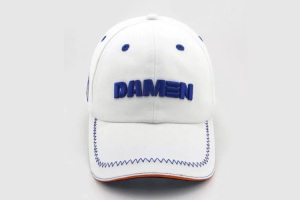
Embroidery is a classic and sophisticated method of decorating fabric or other materials using a needle and thread or yarn. Traditionally a handmade craft, modern embroidery relies on precision machinery to create intricate and multi-colored designs.
Process: A digital design file (digitized artwork) is loaded into an industrial embroidery machine. The machine then uses multiple needles and threads to stitch the logo directly onto the product. This process builds up the design with thread, creating a tactile, raised effect.
Embroidery is frequently chosen for brand logos and names due to its premium, three-dimensional appearance, which adds a sense of quality and luxury. It makes a brand name conspicuous and prominent on fabric and other soft goods.
Pros:
* Professional & Premium Look: Conveys a high-quality, luxurious, and durable image.
* Durability: Highly resistant to fading, washing, and wear.
* Tactile 3D Effect: Adds depth and texture to the logo.
* Fast Turnaround: Modern machinery allows for efficient production.
Cons:
* Design Limitations: Not suitable for highly complex designs, fine details, or gradients.
* Cost: Can be more expensive than printing methods, especially for large designs or high stitch counts.
* Weight & Stiffness: Large embroidered areas can add weight and stiffness to the material.
* Minimum Order Quantity (MOQ): Often has a higher MOQ due to the digitization and setup process.
Conclusion
Selecting the appropriate logo printing method is a critical decision that impacts your product's appearance, durability, and overall brand perception. By understanding the nuances of digital printing, screen printing, hot sublimation, and embroidery, B2B buyers can make informed choices that align with their product specifications, budget, and branding goals. ExploreCN is committed to guiding you through these options, ensuring your custom branded products from China meet the highest standards of quality and visual appeal. Partner with us to bring your brand vision to life with precision and expertise.



 English